

Honolulu weather by month is best planned using climate normals and current conditions, not a promise of identical weather on every visit. For a Waikīkī stay, compare typical temperatures and precipitation, then check the ocean and beach-safety guidance before making water plans.
- Climate normals: the 1991–2020 period
- Monthly data: available for Honolulu Airport through National Weather Service NOWData
- Ocean safety: check conditions before entering the water
- Beach guidance: swim at a lifeguarded beach and do not swim alone
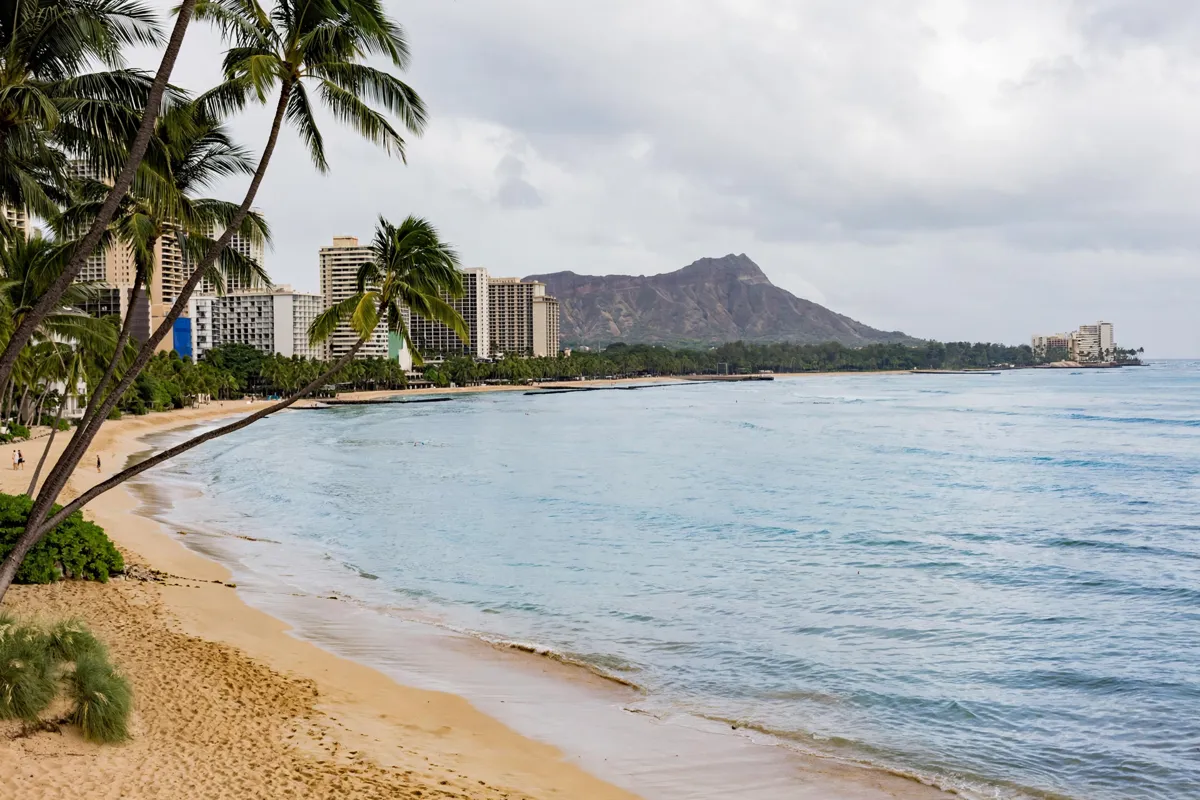
How Honolulu's seasons differ
Honolulu’s climate is easiest to plan around by comparing monthly normal temperatures and precipitation, rather than treating any season as a guarantee of specific weather. The National Weather Service uses 1991–2020 as the climate normal period for its Honolulu monthly climate reports.
For the best time to visit Honolulu, start with the conditions that matter to your plans: temperature, precipitation, and the ocean conditions on the day. A monthly average gives you a useful seasonal reference, while current beach and surf information helps with decisions outdoors.
The National Weather Service’s Honolulu climate page links to climate resources, including NOWData, where you can look up Hawaiʻi climate normals.
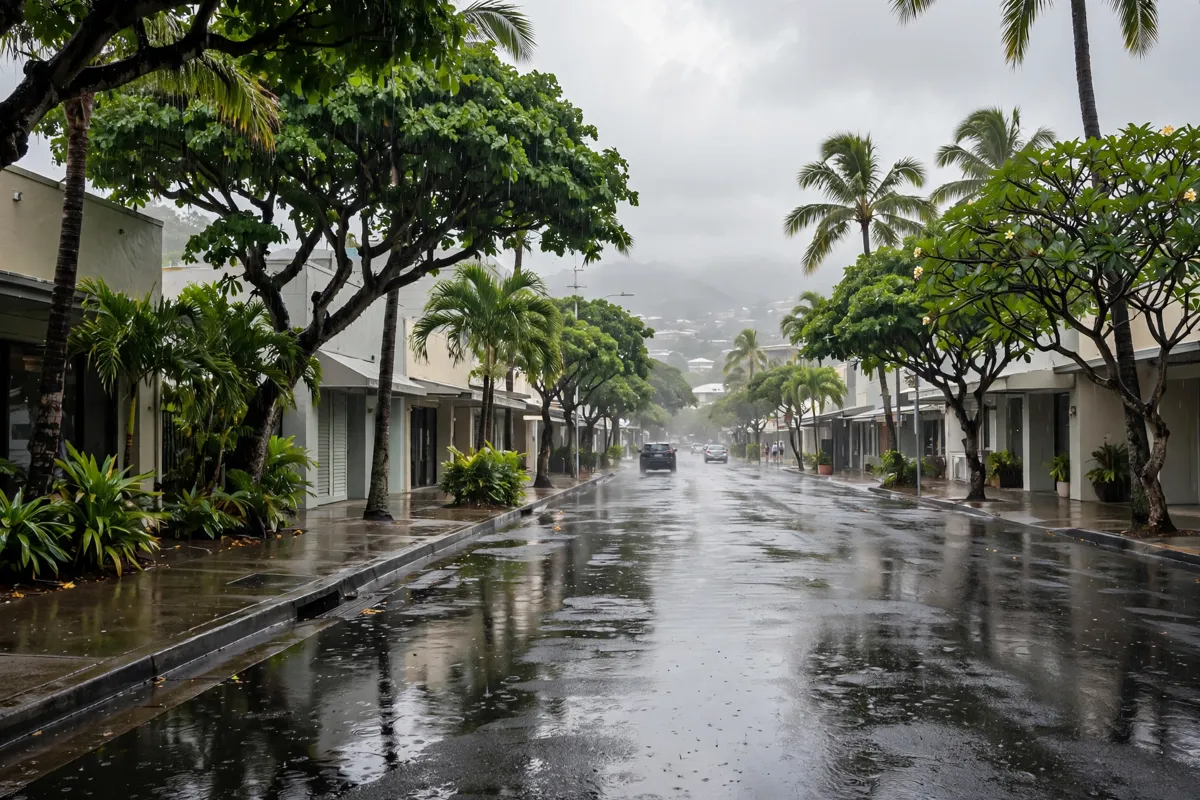
Monthly temperatures and rainfall
NOWData lets you check normal minimum, maximum, and mean temperatures, along with precipitation, for Honolulu Airport by day or month. To find the monthly figures, choose the station “Honolulu Intl AP, HI” and the “Daily/monthly normals” product.
For daily normal values, select “Daily” and “Temperature/Precipitation.” This shows normal minimum, maximum, and mean temperatures and precipitation for the selected station. These climate normals describe typical patterns, not a forecast for your travel dates.
When comparing Honolulu in winter or Honolulu in December with other months, use the same station and data product each time. That keeps the comparison consistent; then check the forecast closer to your trip for conditions on specific days.
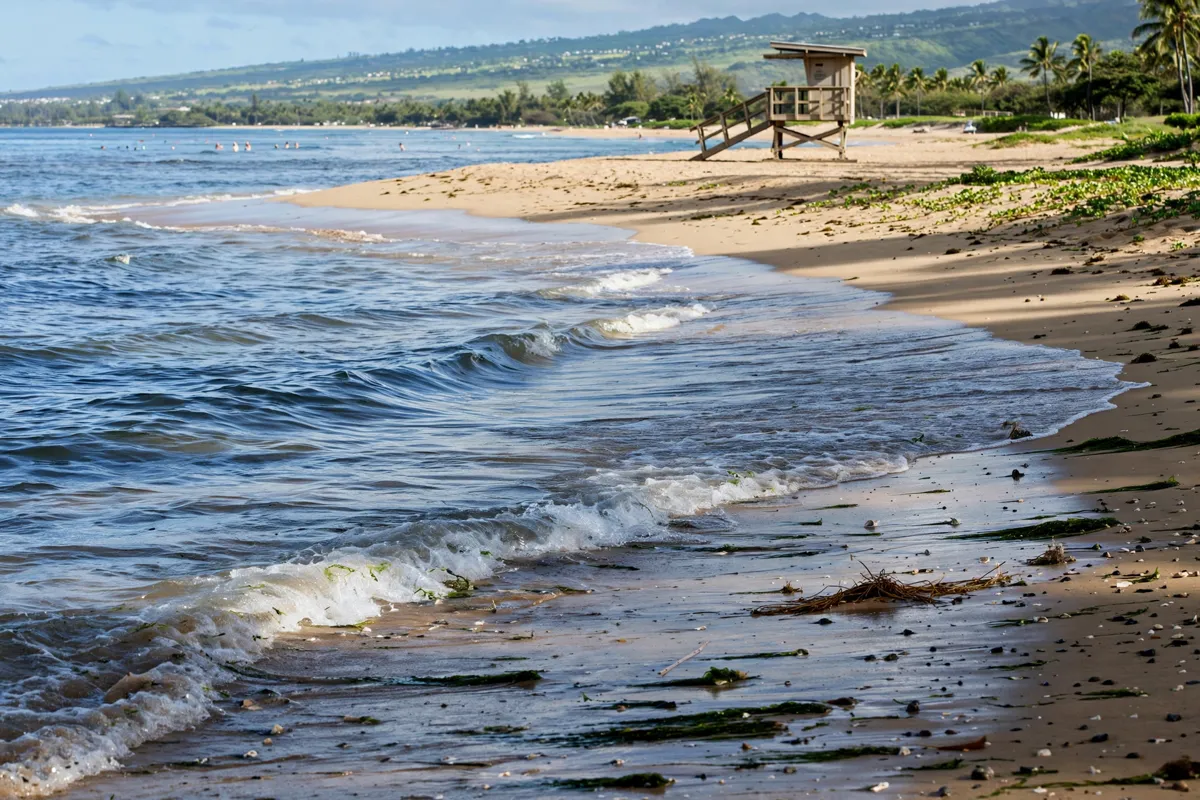
Ocean and beach conditions to check
Check ocean conditions or speak with a lifeguard before entering the water because conditions can change constantly. Honolulu’s Emergency Services Department recommends swimming at a lifeguarded beach and never swimming alone.
Hawaiʻi Ocean Safety provides beach-safety tips, information about lifeguarded beaches, ocean hazards, and warning signs. Honolulu’s Emergency Services Department also points to Surf News Network for live webcams, swell tracking, tide, weather, and buoy reports. The National Weather Service publishes surf observations that include Waikīkī.
For alerts about unusual ocean conditions, lifeguard tower closures, and other hazards, Honolulu’s Emergency Services Department identifies the HNL.info app and website as resources. Check the official site before you go.
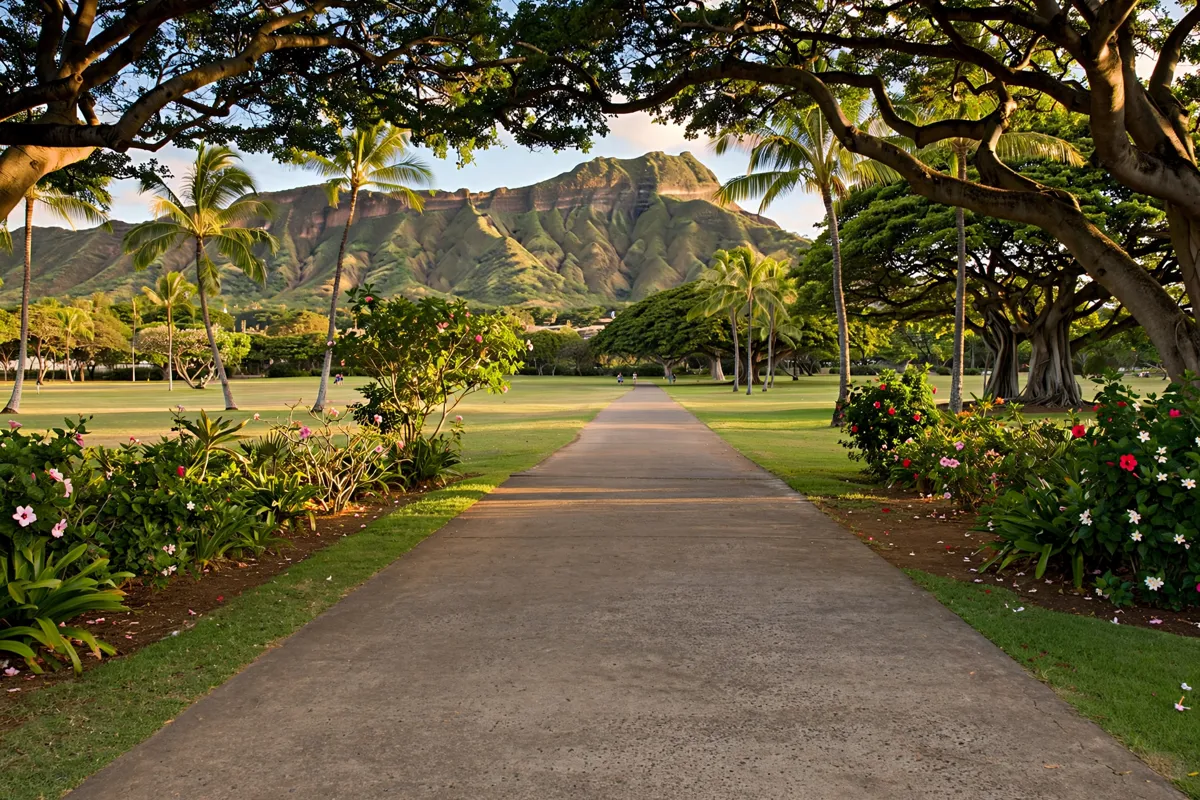
Planning outdoor days in Waikīkī
Kapiolani Regional Park is about a 30-minute walk from Kuhio Banyan, or about 5 minutes by car.
Seasonal conditions can shape which outdoor plans make sense on a given day, so keep beach conditions in view when planning.
If you’re arranging a day around the neighborhood, the one-day Waikīkī route can help frame the sequence of stops.
Seasonal events and travel dates
For event dates and details, consult the Aloha Festivals organization’s official website. Pair event planning with climate normals for broad seasonal context, then check forecasts and ocean-safety information as your travel dates approach.
FAQs
Where can you find Honolulu weather averages by month?
Use National Weather Service NOWData. Select “Honolulu Intl AP, HI” and the “Daily/monthly normals” product to view monthly normal temperatures and precipitation.
What should you check before swimming in Waikīkī?
Check ocean conditions or talk to a lifeguard before entering the water. Honolulu’s Emergency Services Department recommends swimming at a lifeguarded beach and not swimming alone.
Where can you find beach-safety information for Oʻahu?
Hawaiʻi Ocean Safety provides beach-safety tips, lifeguarded beach information, ocean hazards, and warning signs. The HNL.info app and website also provide alerts about unusual ocean conditions and other hazards.
What is another beach option near Waikīkī?
Ala Moana Beach Park is another coastal outing to consider when planning outdoor time.